
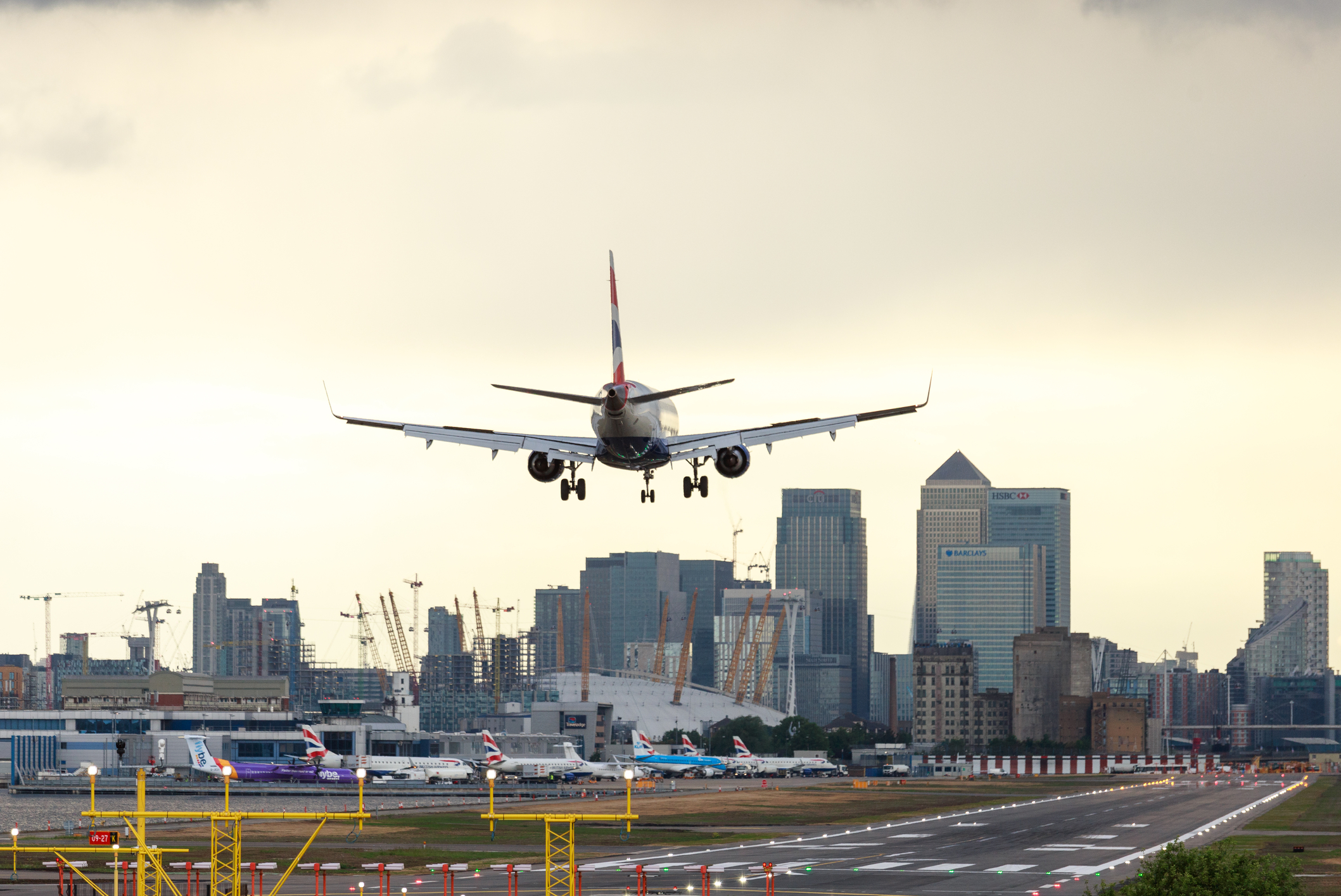
London City Airport shifts airline operations to shared cloud platform
London City Airport has introduced shared cloud-based passenger processing infrastructure as part of a wider technology overhaul designed to increase capacity within its existing terminal building.
The airport has made the Amadeus Airport Cloud Use Service (ACUS) available throughout the terminal, allowing airlines to run their passenger service applications from shared infrastructure rather than relying on fixed, airline-specific desks.
An Amadeus spokesperson told the Airports AI Alliance that integrating multiple airline systems while maintaining normal airport operations is a significant challenge.
“Generally speaking, implementing common-use technology in a live airport is inherently complex,” they said. “It means bringing multiple airlines, systems and operational requirements onto shared infrastructure, while ensuring passenger processing continues securely and reliably throughout the transition.”
The move forms part of an agreement that also includes shared self-service check-in kiosks, automated bag-drop units and biometric processing technology. Passengers will be able to enrol for biometrics once per trip and use the technology during check-in and bag drop, reducing repeated processing steps.
The investment comes as London City works towards an approved annual passenger cap of nine million, with the airport seeking to accommodate additional travellers without expanding its existing terminal. The cloud platform also allows airport staff to serve passengers from different locations rather than being tied to dedicated check-in desks.
The spokesperson said close collaboration between the airport, airlines and technology partners, alongside rigorous testing, is essential to maintaining operational continuity during implementation.
Although the airport expects the wider technology programme to increase passenger throughput, no specific capacity gain has been announced.
“There’s no one-size-fits-all figure, as capacity gain depends on the existing infrastructure, passenger mix, processes and where operational constraints occur,” the spokesperson said.
They also said greater use of self-service allows airport employees to move away from fixed desks and provide more personalised assistance to passengers. The airport is also awaiting approval through an Airspace Change Process to accommodate new-generation aircraft capable of carrying more passengers.
For the technology programme, operational efficiency, flexibility and passenger experience will be the principal measures of success.
Image: Mrcatmint | Dreamstime.com