
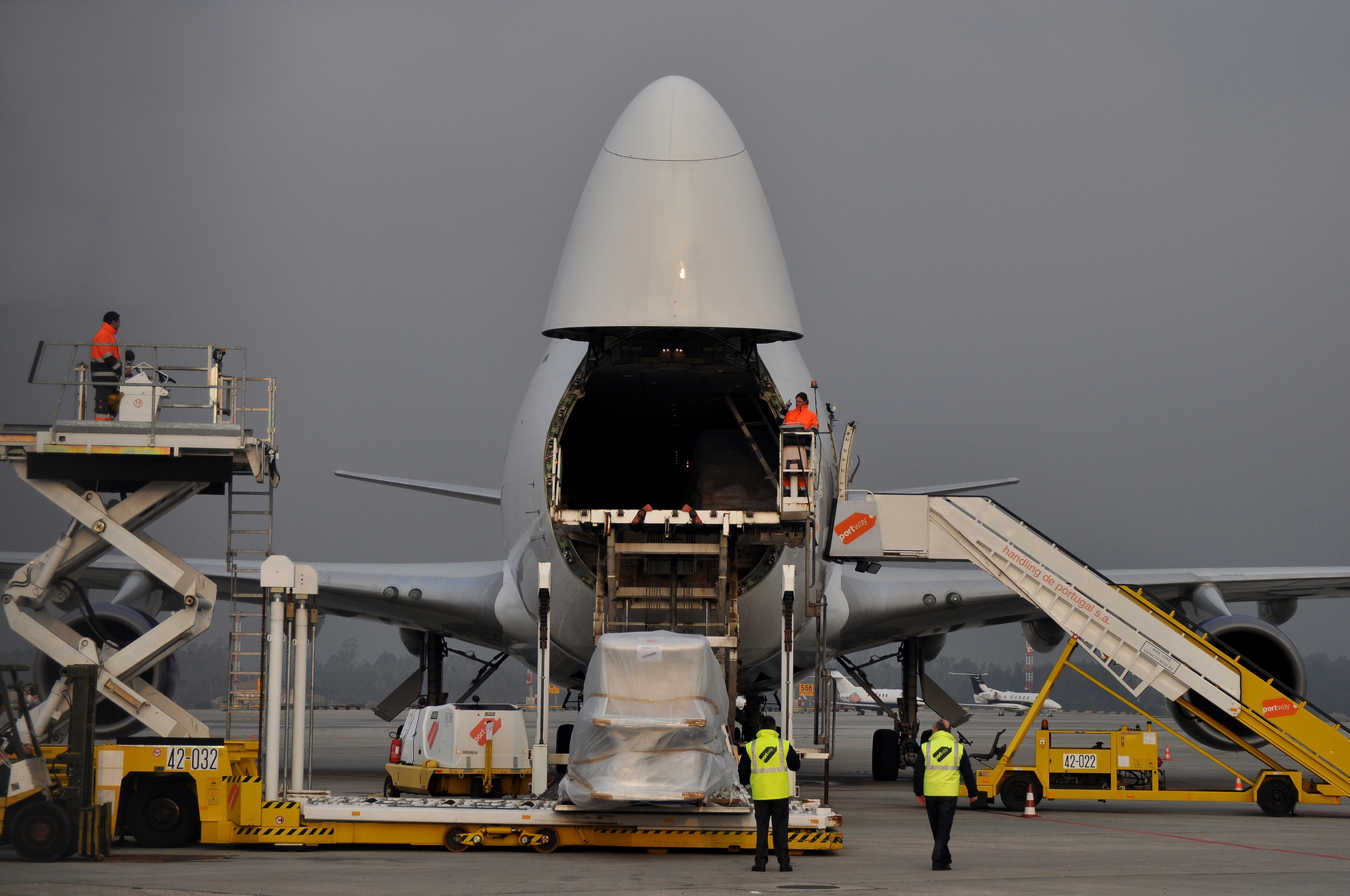
Miami becomes largest cargo airport to announce AI-powered digital platform
Miami International Airport (MIA) has become the world’s largest cargo airport to announce an AI-powered cargo community platform, with projected annual savings of up to US$250 million across its freight supply chain.
The Airport Cargo Community System (ACCS), developed in partnership with Kalé Logistics, will connect freight forwarders, airlines, ground handlers and trucking companies through a shared digital platform, replacing fragmented communications and manual processes.
The initiative aims to reduce truck congestion, accelerate cargo processing and improve resource planning at MIA, which handled a record 3.4 million US tons of freight in 2025.
Ralph Cutié, Director and CEO of MIA, told the Airports AI Alliance that the project remains in its early stages, with stakeholder engagement, onboarding and training required before deployment.

Ralph Cutié, Director and CEO of MIA
“Moving forward, several key steps must be taken before the platform is deployed and implemented at MIA–from engaging with the MIA cargo community to onboarding and training new users,” he said. “Our recommendations for other airports considering similar AI-powered cargo systems will be informed by the outcomes of these steps.”
AI applications
Amar More, Co-founder and CEO of Kalé Logistics, said in an email that the platform follows an “AI-first, API-first” design philosophy, incorporating several tools to automate cargo processes.
A documentation agent will combine optical character recognition (OCR) and AI to extract information from PDF documents and convert it into structured system data, reducing the time drivers spend at cargo handling counters.
Predictive tools will estimate truck turnaround times and provide trucking companies with greater visibility of potential delays, while an optimisation agent will intelligently route vehicles to loading docks to minimise waiting times.
A multilingual generative AI chatbot will also answer enquiries about shipment status, outstanding charges, customs clearance and flight arrival times, reducing reliance on telephone calls and emails.
Additional capabilities include cargo volume forecasting to support resource planning, with anomaly detection planned for subsequent deployment phases.
Measuring the benefits
More explained that the projected US$250 million saving reflects efficiencies across the wider cargo supply chain rather than savings to the airport alone.

Amar More, Co-founder and CEO of Kalé Logistics
“The primary drivers of these savings are the time saved in documentation, follow-ups, reduced fuel due to reduction in truck wait times, reduction in driver overtimes, reduction in paper handling, reduction in penalties and so on,” More said.
However, the benefits remain projections dependent on implementation and adoption across the cargo community.
“The tangible results will come once the system is rolled out and adopted by the community which is about one to one and a half years away from now,” More said.
Main image: photo360 | Dreamstime.com