
How Atlanta is using computer vision for operational intelligence
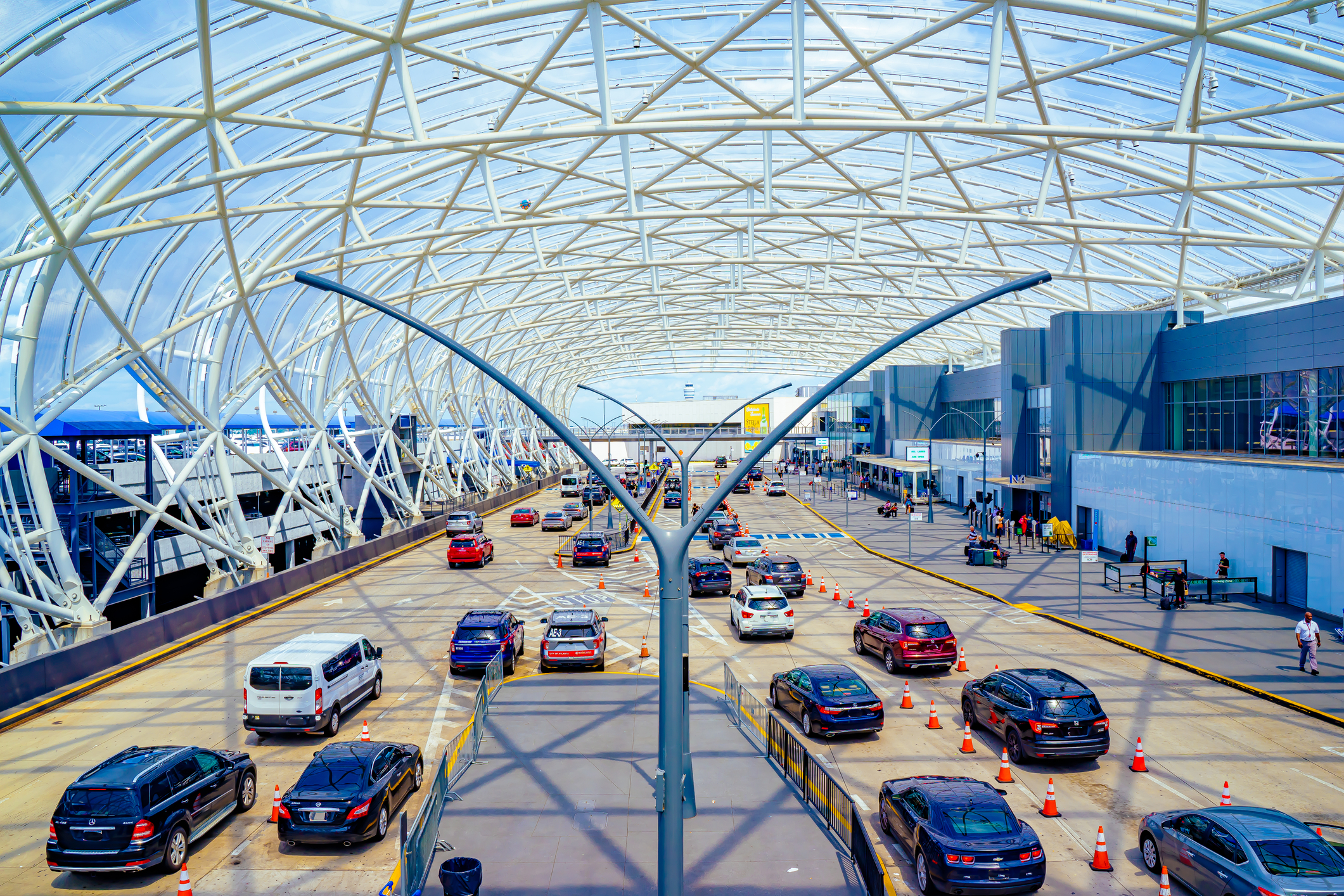
A driver stops on the road near the airport terminal, unwilling to pay for parking. Another follows suit, and then another.
“Before you know it, other cars will partake in the same behaviour, and then you have a backup,” says Chris Crist, Chief Information Officer, Hartsfield-Jackson Atlanta International Airport. “Suddenly you have traffic issues, and then safety issues.”
For Hartsfield-Jackson airport, this everyday frustration has provided a starting point to deploy computer vision–AI that analyses camera footage to identify objects and activity–to help security teams intervene.
The airport’s approximately 7,000 cameras provide extensive coverage, but tracking an incident across that network places considerable demands on security professionals. Crist illustrates the problem with a hypothetical example: someone leaves a bag unattended and runs away.

Chris Crist, Chief Information Officer, Hartsfield-Jackson Atlanta International Airport
“When a security professional is notified, of course they have some basic questions like, okay, well, ‘what did this individual look like?’” he says. “And maybe all they get is, ‘they were in a blue hat, red jacket. They were tall. They’re a man. They’re running a certain direction.’”
Previously, staff had to search footage manually, piecing together where to look next. The overlay allows them to retrieve potential matches using visible characteristics, then assess the results.
“You simply type in those characteristics as filters,” Crist explains. “The AI overlay will immediately within seconds find all of those who match those characteristics, no matter where they are, and then they can narrow down from there.”
Describing the benefits for the security team, he adds: “The security professionals have been able to reduce their security response times from four hours to one hour, so a 75 percent reduction.”
The initial deployment covers 1,800 cameras in terminal areas, encompassing kerbside activity and passengers entering and waiting at security checkpoints. Selecting these locations gave the airport a defined operational starting point before considering broader applications.
The first cameras serve the international terminal on the east side and domestic terminal facilities to the west. That leaves much of the network outside the initial deployment, with expansion guided by what the operational teams learn from the system and which problems they want to tackle next.
Making alerts useful
For vehicles stopping where they should not, security staff notify colleagues on patrol to attend and move them along. Establishing when that intervention is warranted required adjustment.
“Initially they said, ‘Oh, we want to know as soon as a car is sitting there for 30 seconds’, but we realise that’s probably not enough time [to justify an intervention],” Crist explains.
They tested progressively longer periods, from two minutes to four or five. Working with the security department helped distinguish situations requiring attention from ordinary pauses in airport traffic, while keeping notifications manageable.
“The whole idea is start small, fail fast, learn fast,” he says. “We started with something that wasn’t so exciting.”
Crist says kerbside behaviour might generate around a dozen alerts on some days, although conditions vary. Setting the thresholds together gives the security department a role in determining how the technology fits its workload, rather than simply receiving whatever notifications a system produces.
When discussing impact, Crist identifies kerbside incident response as the application for which the airport currently has data. Although staff also use the overlay to find people of interest, its impact on those searches has not yet been measured.
When the room overheated
The computer vision software arrived already trained to recognise objects, leaving the airport responsible for installing the supporting infrastructure. Crist found little direct experience to draw on among his industry contacts.
“There was nobody I could talk to that said that they had done this, and so we just had to figure it out,” he says.
A substantial installation of on-site hardware went into the airport’s intermediate distribution frame rooms, often described as IT equipment rooms. The equipment relied heavily on graphics processing units, bringing power and cooling requirements that the team had underestimated.
“We put all of the new hardware into one room, and that was a mistake because we didn’t realise how much heat this would generate,” says Crist.
Systems began shutting down, forcing the team to investigate. The solution involved redistributing the hardware across different rooms, sharing the load between separate cooling units.
The hardware experience offers another practical consideration for airports assessing similar projects: reusing cameras still requires investment behind the scenes. Processing their footage introduced infrastructure demands that had to be resolved before the capability could operate reliably.
The next intended application concerns the Plane Train, which carries passengers through the airport. The overlay would identify when a train remains stationary longer than expected.
“Whenever something happens to one, we have to go through a very manual process of hoping that some security professional sees that it’s down or a passenger lets somebody know, which is too long,” Crist says.
The airport already holds response-time data for this process, providing a baseline for assessing the planned application. Other prospective uses include identifying passengers entering the wrong route when different security processes apply and detecting someone following an employee through a controlled door without scanning their own credentials.
(c) Thomas Barrat | Dreamstime.com
Bringing people with the technology
For the initial deployment, support came from the chief of physical security, who championed the idea and secured funding. Her team worked with IT to put the system into operation.
“Her teams were committed,” Crist says. “We’ve added more to our plates of responsibility, but it just shows you the value that they place on this product.”
When the capability becomes unavailable, security staff now call IT to have it restored immediately.
Crist is also managing a broader organisational change. Within the past month, an innovation division has moved under IT, with a Chief Innovation Officer reporting to him. Its four business units cover sustainability, business performance, organisation-wide strategy and innovation.
“You’re now having to integrate this new thing into your IT department,” he says.
The restructuring requires teams to find ways of working together and integrating their processes.
This will be one of the key topics Crist will share with peers at the upcoming AAA Leadership Forum, which Atlanta Hartsfield Jackson will host on 28–29 October.
“It’d be great to learn from others on how they’re navigating change management in their airports through people,” Crist says. “I’d love to be just open and candid about the challenges of doing that. And then of course some of the successes that we’ve had, and trying to move that forward too.”
Main image: Toi Ne | Dreamstime.com