
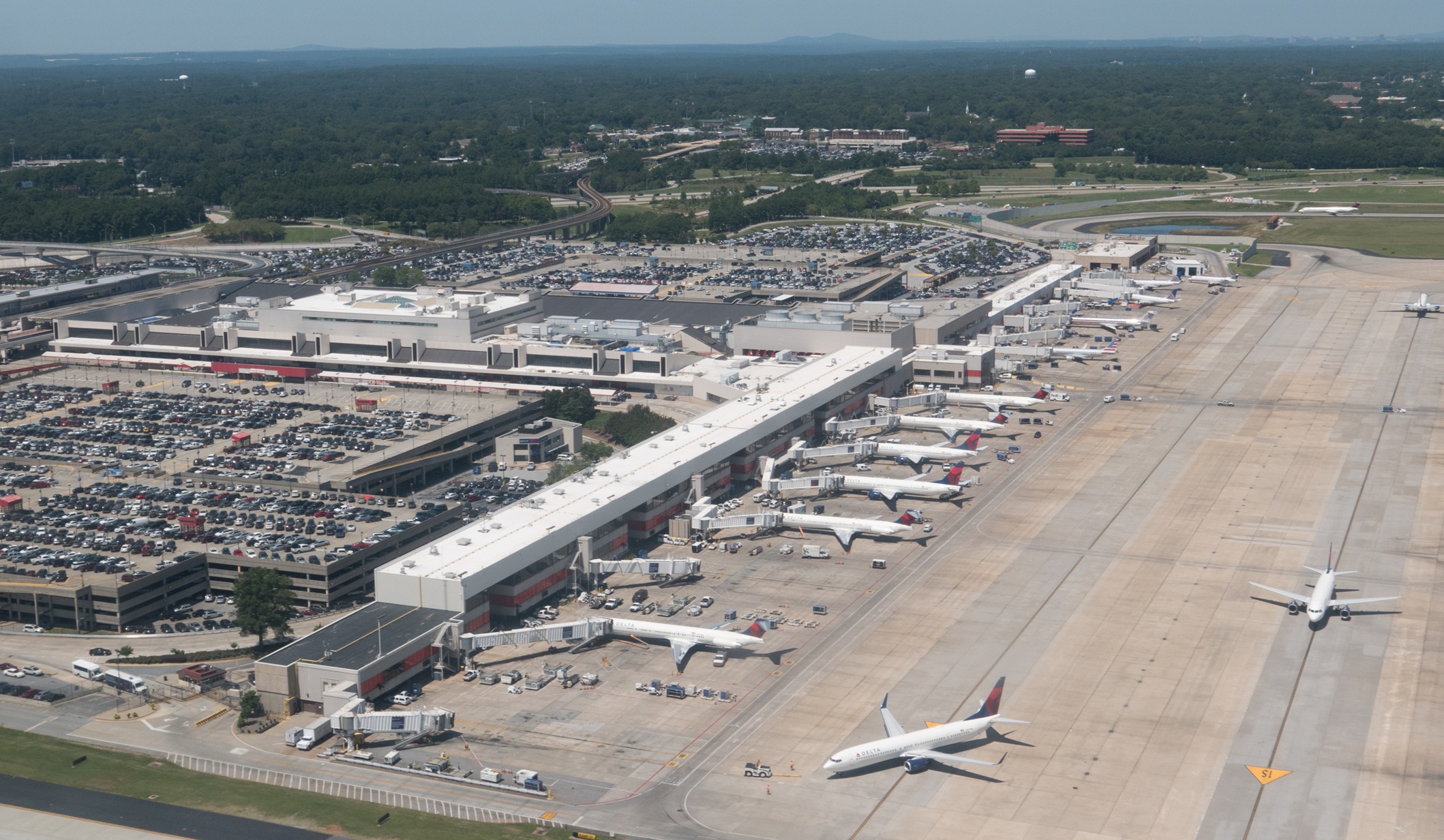
Building a future-ready infrastructure to enable AI at scale
As airports accelerate their AI ambitions, one message is becoming harder to ignore: the technology is only as strong as the systems beneath it.
 Based on insights from Hartsfield–Jackson Atlanta International Airport (ATL), a new Airports AI Alliance case study examines how the airport is enabling AI by prioritising infrastructure resilience, cybersecurity discipline and faster delivery models. Rather than treating AI as a standalone programme, ATL has focused on strengthening the foundations required for AI-enabled capabilities to operate reliably at scale. This includes improving concourse-level network resilience, reducing single points of failure and introducing planned shutdown testing to validate redundancy and recovery under controlled conditions.
The case also highlights how internal delivery speed can become a strategic barrier to AI adoption. ATL has restructured its governance approach to support faster implementation – particularly for repeatable project types – while encouraging teams to break large initiatives into smaller, lower-risk increments.
Alongside infrastructure and delivery reform, cybersecurity is framed as a core enabler of operational credibility, with vulnerability reduction and stronger operational technology risk visibility treated as prerequisites for AI readiness.
The overarching lesson is clear: sustainable AI deployment depends less on siloed pilots and more on the operational discipline required to build a foundation for scaling AI.
The case study “How to build the digital infrastructure to deliver AI at scale” is based on insights from our recent Operations & Infrastructure Working Group session and is available exclusively to members in the Airports AI Alliance members’ area.
Photo: ID 59078628 | Hartsfield Jackson | Robwilson39 | Dreamstime.com