
AI-monitored aircraft turnarounds outperform industry benchmark
Aircraft turnarounds monitored using artificial intelligence (AI) are running more than a third closer to schedule than the industry benchmark, according to a new report from aviation technology company Assaia.
The company’s 2026 Turnaround Benchmark Report compared approximately 125,000 AI-monitored turnarounds at eight major airports in Europe and North America with 1.5 million turnarounds at 20 comparable airports. During the first quarter of 2026, AI-monitored operations exceeded scheduled turnaround times by an average of 7.3 minutes, compared with 11.4 minutes at the benchmark airports.
Christiaan Hen, CEO of Assaia, told the Airports AI Alliance that the findings demonstrate the potential of real-time monitoring, although other operational factors also influence performance.

Christiaan Hen, CEO of Assaia
“While this comparative analysis cannot establish that AI monitoring alone caused the difference, the findings are consistent with the operational benefits of real-time visibility,” he said. “Assaia’s computer vision technology automatically tracks critical turnaround activities, including baggage handling, refuelling and catering, enabling teams to identify deviations from plan as they happen and intervene before small delays escalate.”
Where delays accumulate
The report also analysed more than 750,000 turnarounds captured by computer vision systems to identify where operations fall behind schedule.
It found that the best and worst-performing turnarounds follow almost identical timelines during their first 12 minutes. Delays subsequently accumulate across activities such as catering, refuelling and baggage handling, often without any single major disruption.
Baggage loading emerged as a particular bottleneck, taking a median of 24.8 minutes during the worst-performing turnarounds, compared with 11.3 minutes during the best.
Hen said the involvement of multiple airlines and ground handlers, often operating different systems, makes identifying problems particularly difficult. AI monitoring can provide a shared picture of activities across aircraft stands, allowing teams to respond before delays affect departures.
“Over time, the data also helps airports and their partners identify recurring bottlenecks,” he said. “This allows them to make more informed decisions about staffing, scheduling and processes, improving efficiency across multiple airlines and handling partners rather than addressing each delay in isolation.”
Results at individual airports
Hen highlighted several airports reporting operational improvements following the introduction of AI-powered turnaround monitoring.
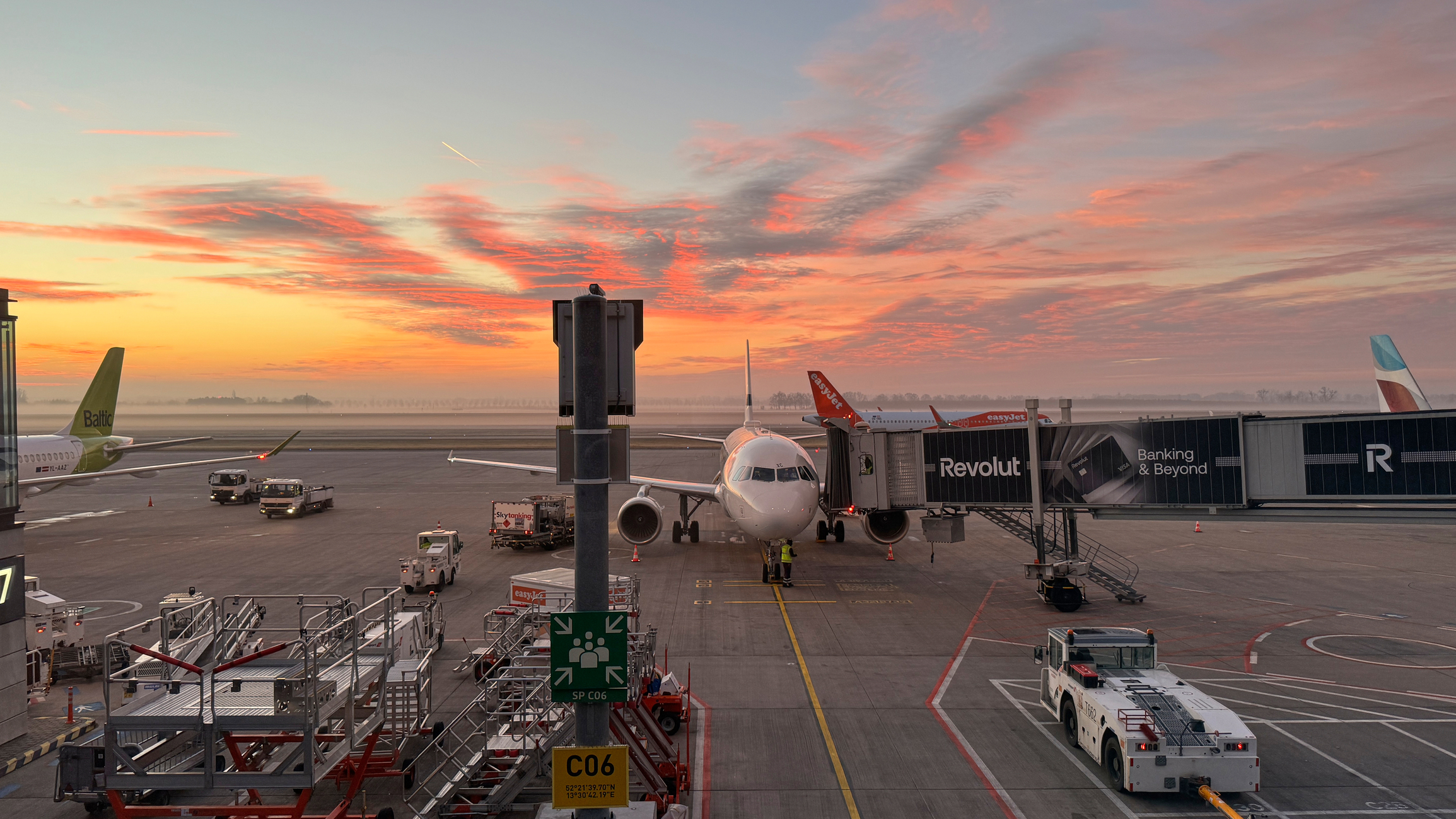
At Berlin Brandenburg Airport, Hen said the introduction of the technology alongside a dedicated operational resilience team has helped reduce ground delays by 69 percent and improve departure readiness by two minutes.
At Rome Fiumicino, passenger boarding bridges are being connected one minute earlier and passenger stairs positioned nearly two minutes earlier. He said airlines at the airport have also recorded a six-minute year-on-year reduction in average departure delays.
At JFK Terminal 4, average ground delays have fallen by five minutes per flight, while the proportion of arriving aircraft finding an available gate has increased by 25 percent, representing an estimated US$40 million in potential annual savings.
And at Toronto Pearson, Air Canada flights actively managed using the technology recorded 3.4 minutes less ground delay on average than other flights during the same period.
Hen said improving turnaround performance could also help airports accommodate growing passenger demand without immediately investing in additional infrastructure.
“Airport capacity is about more than the number of gates available. It’s also about how efficiently those gates are used,” he said.
Main image: Anyaivanova | Dreamstime.com