December 4, 2025
by
Airports AI Alliance
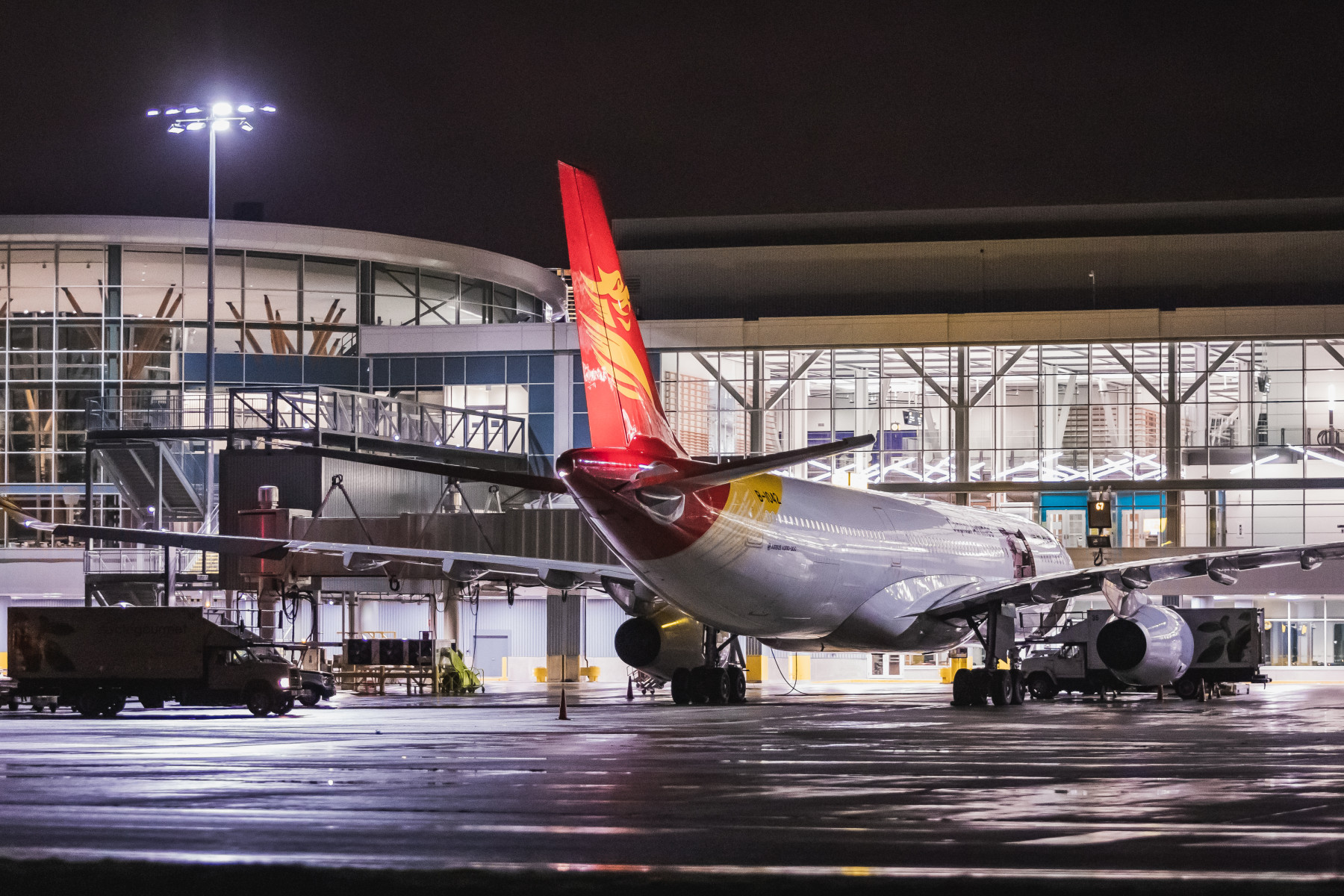
Vancouver International Airport (YVR) has introduced a new artificial intelligence (AI) system to improve aircraft turnaround operations. Developed in partnership with Aviation Solutions – a subsidiary of Royal Schiphol Group – the Deep Turnaround platform integrates with YVR’s digital twin infrastructure to monitor and analyse gate activities in real time.
The AI system tracks key processes such as baggage handling, refuelling, catering, and boarding to identify delays and improve overall efficiency. “Investing in digital technologies is a key part of YVR's innovation strategy, enabling us to deliver reliable and resilient service to passengers and our airline customers,” said Andy Margolis, Vice President, Operations and Chief Operations Officer at Vancouver International Airport. “Deep Turnaround and digitising our gating process data will provide invaluable insights to help minimise delays for passengers and the movement of goods and ultimately support more predictable and efficient operational service.”
The system will initially be deployed at selected gates before being expanded more widely. “With Deep Turnaround, YVR joins a global community of airports transforming airside operations, collaboratively setting new standards for efficiency, reliability, and sustainability,” said Caroline Massart, Head of Aviation Solutions. “We’re proud to work side-by-side with our partners to solve real challenges and deliver results, quickly, for the airport, the airline and ground handlers.”
By making turnaround operations more transparent and predictable, the system aims to improve coordination between airlines, ground handlers, and airport staff. “We are excited to turn on the Deep Turnaround software capabilities to give us better insights on turnaround activity,” said Anna McMurdo, Manager – Global On-Time Performance Solutions at Air Canada. “Data analytic tools such as this will enable us to better predict and calculate estimated departure times with improved precision and accuracy.”